January to March brings the calving season to the southern Ndutu plains, when roughly half a million wildebeest calves are born within a three-week window — and with them, the year's most concentrated predator action, as lions, cheetahs, and hyenas capitalize on the newborns.
April and May are the long rains — quieter, greener, and considerably less crowded, with fewer vehicles at any sighting and rates noticeably lower, though some roads in the western corridor can become difficult to access.
June through October is the classic dry season, when the herds migrate north through the western corridor and into the Mara, culminating in the famous river crossings from roughly July onward. This is peak season for good reason, and camps book out months ahead.
November and December bring the short rains and the herds' return south — a transitional, underrated window with dramatic skies, newly green plains, and some of the best value pricing of the year.
Choose the area as well as the month
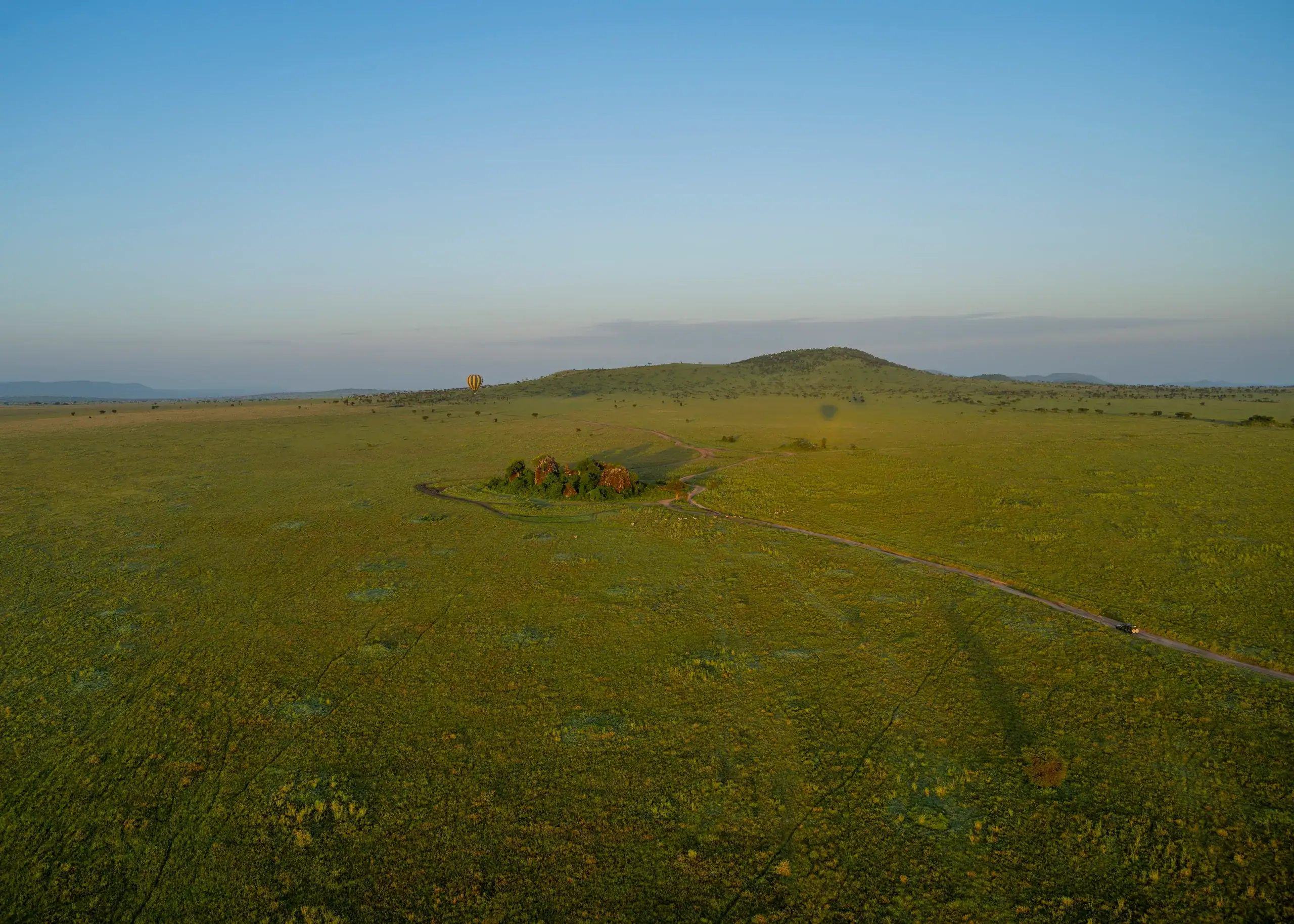
The Serengeti is roughly the size of Northern Ireland, and the herds are only ever in one part of it. The right month in the wrong area means seeing very little of the migration, so we always plan the month and the base together.
- December – March: Ndutu and the southern plains (calving, predators, green grass).
- April – May: central Serengeti (rains, low season, resident wildlife).
- May – July: Western Corridor and the Grumeti River.
- July – October: northern Serengeti around Kogatende and the Mara River.
- November: the eastern Serengeti and Lobo as the herds head south.
What about the resident wildlife?
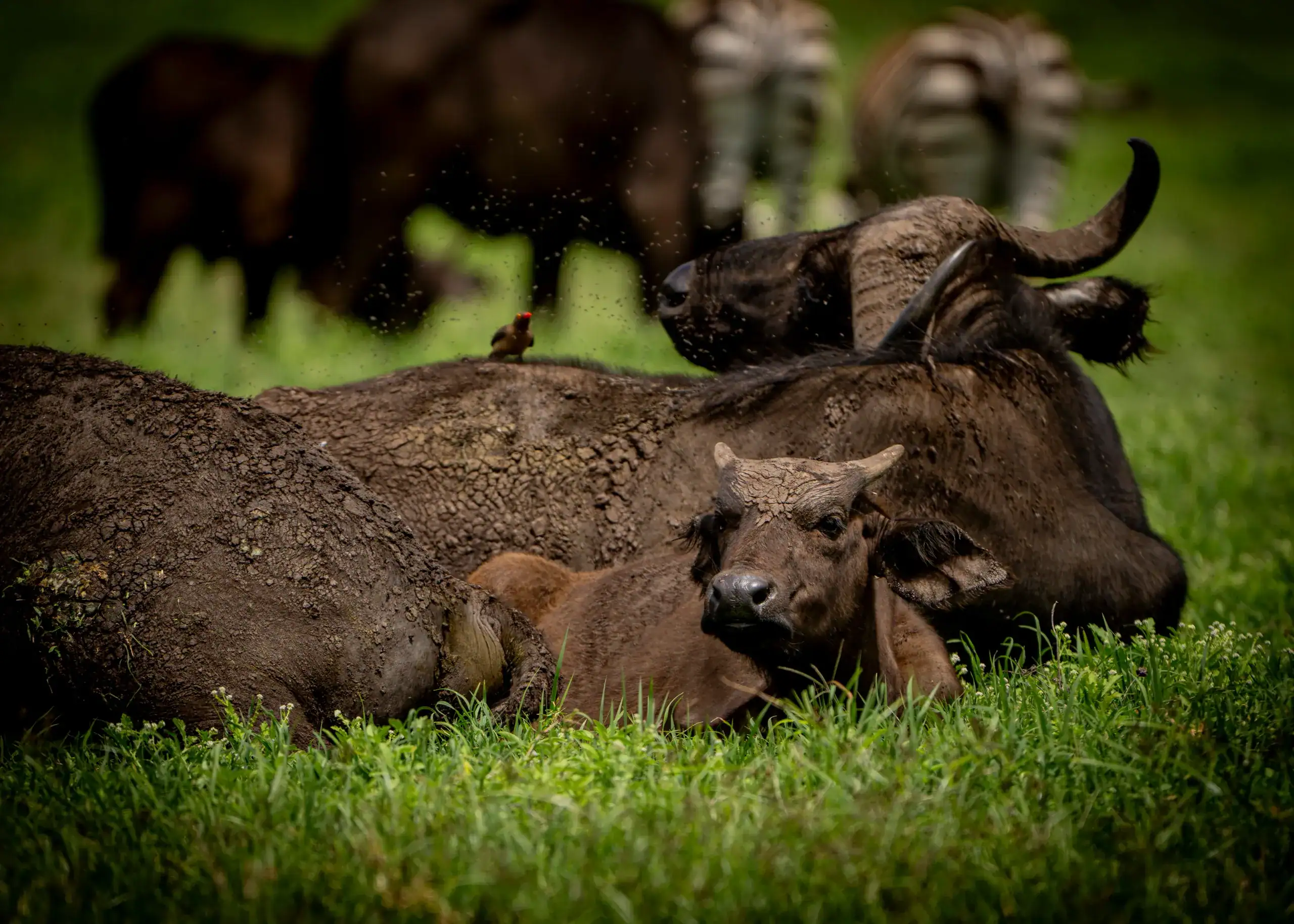
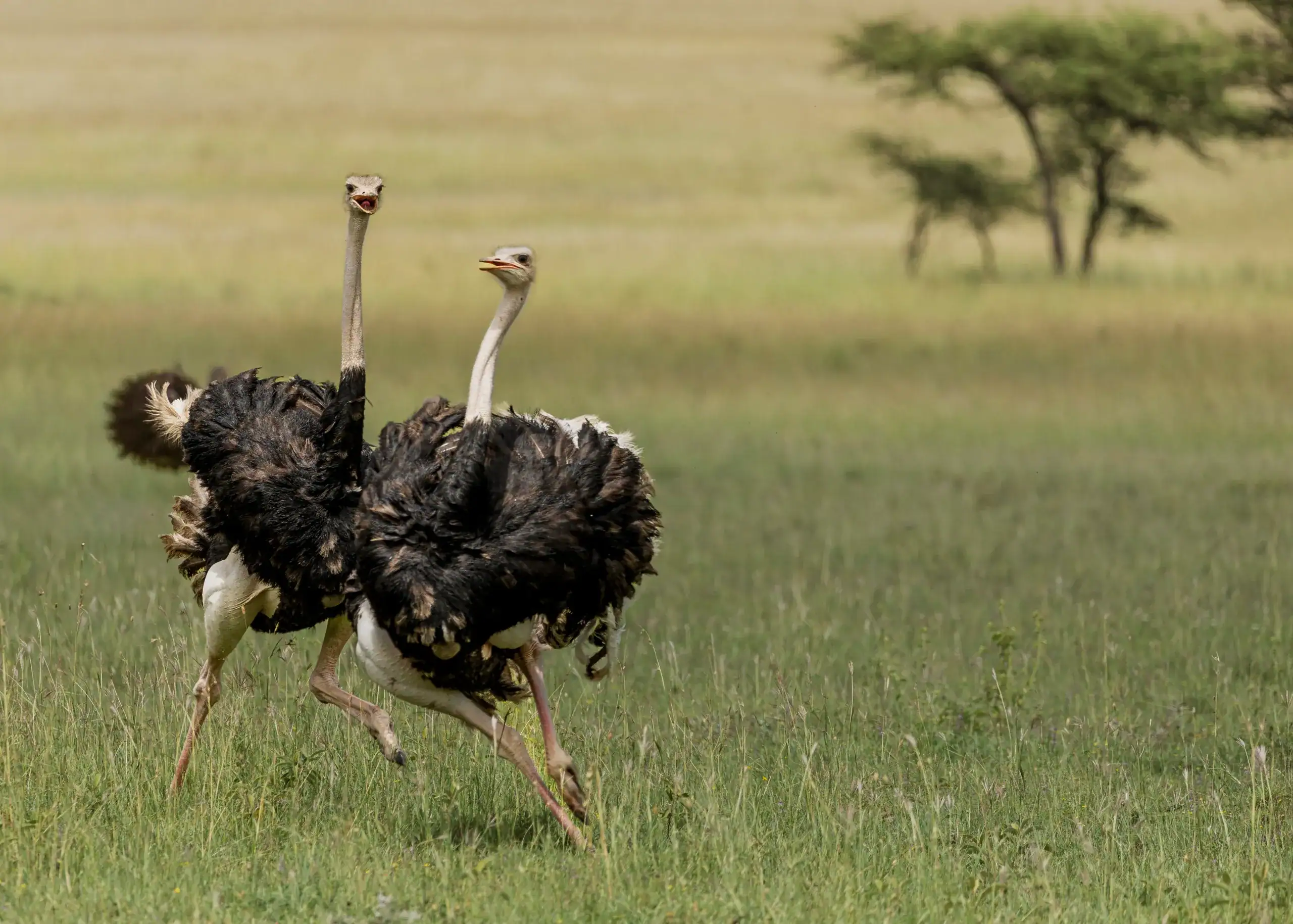
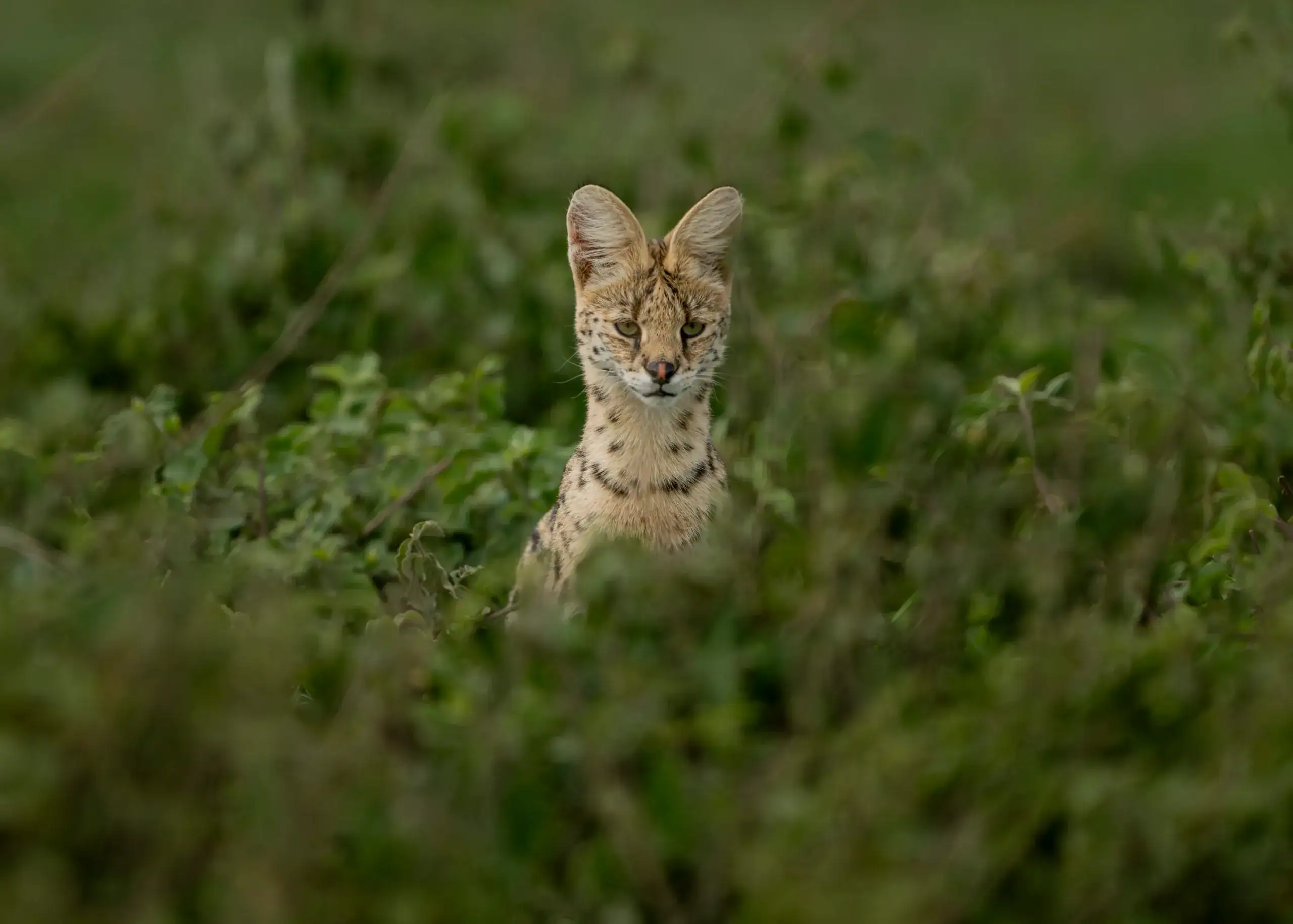
Not everything moves. Lions, leopards, cheetahs, giraffes, elephants and many antelope live in the central Serengeti all year, especially around the Seronera River. Even outside migration season a Serengeti safari is excellent; you simply see it with fewer wildebeest and fewer vehicles.
Weather at a glance
- Dry season (June – October): sunny, cool mornings around 13–15°C, daytime highs in the high 20s.
- Short rains (November – December): brief afternoon showers, green plains.
- Long rains (April – May): heavier rain, muddy tracks, lowest prices.
- January – March: warm, mostly dry between showers; peak calving.
Booking advice
For July to October and the February calving peak, book six to twelve months ahead; the best-positioned camps fill first. For April, May and November you can often plan at shorter notice and benefit from lower rates.